
The Story Behind the Autokraft Cobra: A Conversation with Richard Buxbaum
An inside look at the origins of the Autokraft AC Cobra Mk IV, told by one of the individuals who helped bring it to life.
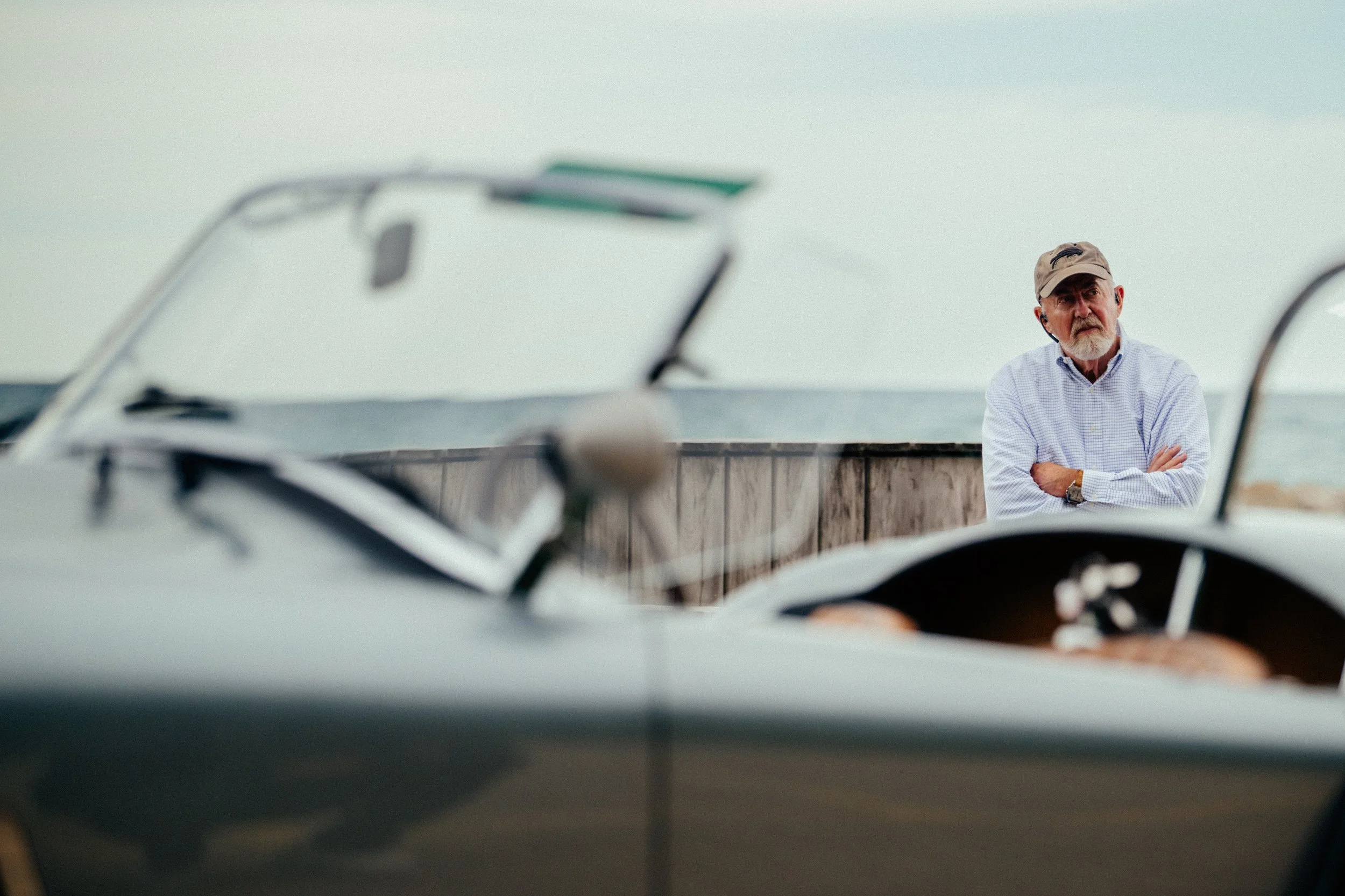
The history of the AC Cobra is well documented, but the story of its continuation through Brian Angliss and Autokraft is less frequently told by those directly involved. Richard Buxbaum is one of those individuals. A longtime automotive enthusiast and dealer, Buxbaum played a significant role in the early development of the Autokraft Cobra and its introduction to the American market.
Motive Archive recently sat down with Richard to document his recollections of the people, circumstances, and decisions that shaped the program. The conversation traces a history that begins in the late 1970s and ultimately leads to the creation of the AC Cobra Mk IV Lightweight, including the 1993 example Richard owns today.
An Unexpected Beginning
Richard's involvement began in the fall of 1977, when he received a telephone call from England regarding a remarkably low-mileage 427 Cobra, chassis CSX3359. The seller had seen Richard's advertisements in Hemmings Motor News and believed he might be interested in purchasing the car.
Richard traveled to England and completed the purchase, but the trip soon took an unexpected turn. During his visit, he encountered another Cobra that had been restored to an unusually high standard by a specialist in Weybridge named Brian Angliss.
Intrigued by the quality of the restoration, Richard arranged a visit to Angliss's workshop, then operating as CP Autokraft. There, he found original AC components, wooden body bucks, and chassis jigs used in the construction of earlier Cobras.
Richard asked whether Angliss could build him a 289 Cobra. Angliss agreed, and the resulting car was shipped to Chicago for display at the 1978 Chicago Auto Show. Although Richard recalls that visitors were more interested in the larger-engined 427, the experience marked the beginning of a relationship that would help shape Autokraft's future.
From Restoration to Production
Following the Chicago Auto Show, Richard returned to England and discussed building four 427 Cobras with Angliss. The cars were completed and brought to the United States, but their arrival exposed the regulatory challenges associated with importing newly manufactured vehicles.
Richard describes working with an emissions and vehicle-compliance specialist to address the requirements of the Environmental Protection Agency and Department of Transportation. These efforts helped establish a path toward producing Cobras that could be legally sold in the American market.
The development process extended beyond regulatory compliance. According to Richard, early cars exhibited difficult handling characteristics when equipped with modern radial tires. Through connections with Jack Roush and former Ford engineer Bob Nagstad, changes were made to the suspension bushings to improve their behavior.
By the mid-1980s, Angliss had obtained the rights to use the AC name, and the cars became known as the AC Mk IV. What had begun as a restoration operation evolved into a manufacturer carrying forward the design and character of the original Cobra.
The Lightweight
Among the later Autokraft models, the Lightweight occupies a particularly interesting place in the company's history.
Richard explains that these cars can be identified by the AKL prefix in their chassis numbers, distinguishing them from standard Mk IV examples. Production figures remain a subject of uncertainty. While 26 examples are commonly referenced in the interview, Richard notes that questions remain about whether a group of 12 cars built for Japan is included in that figure.
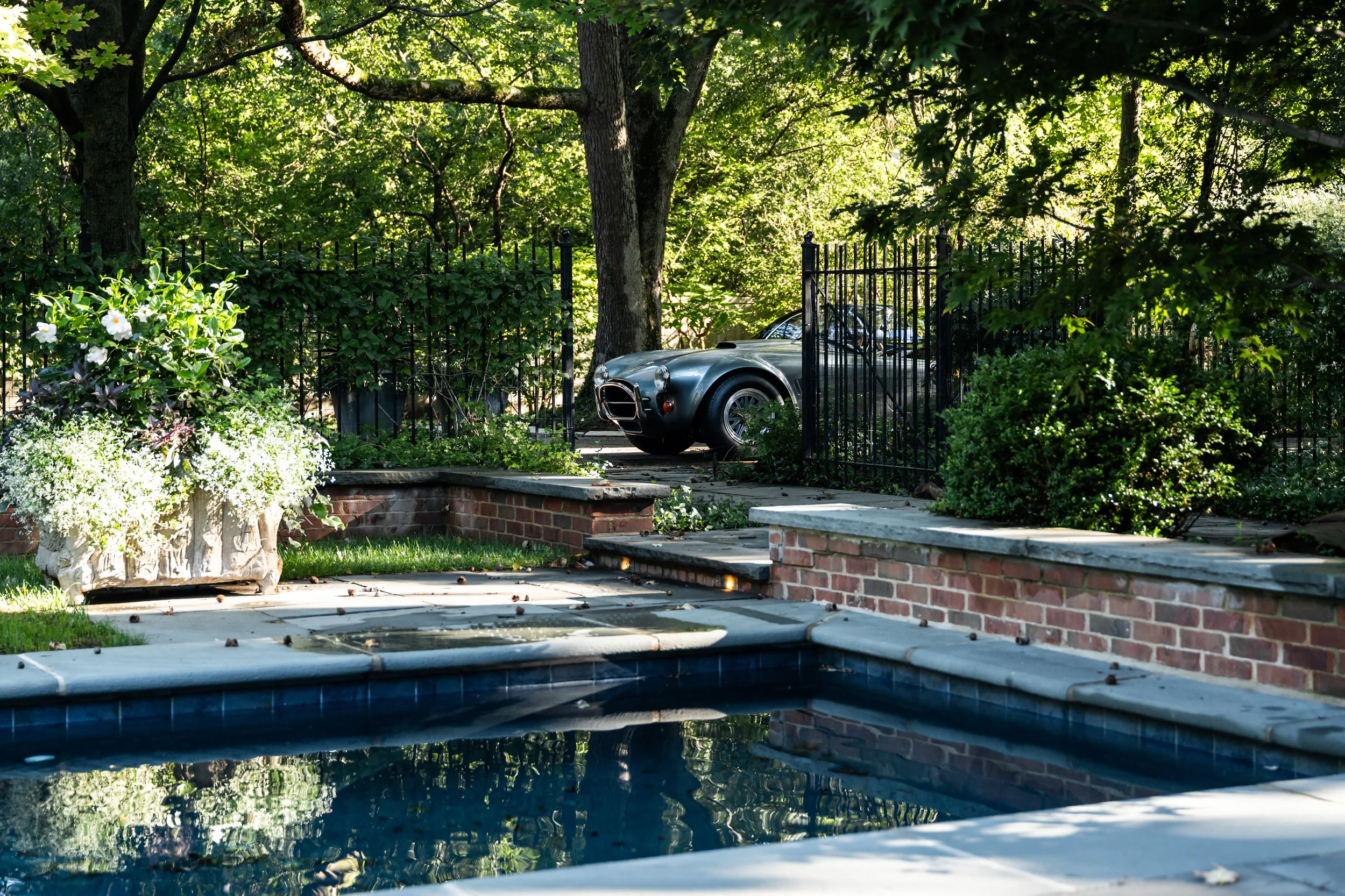
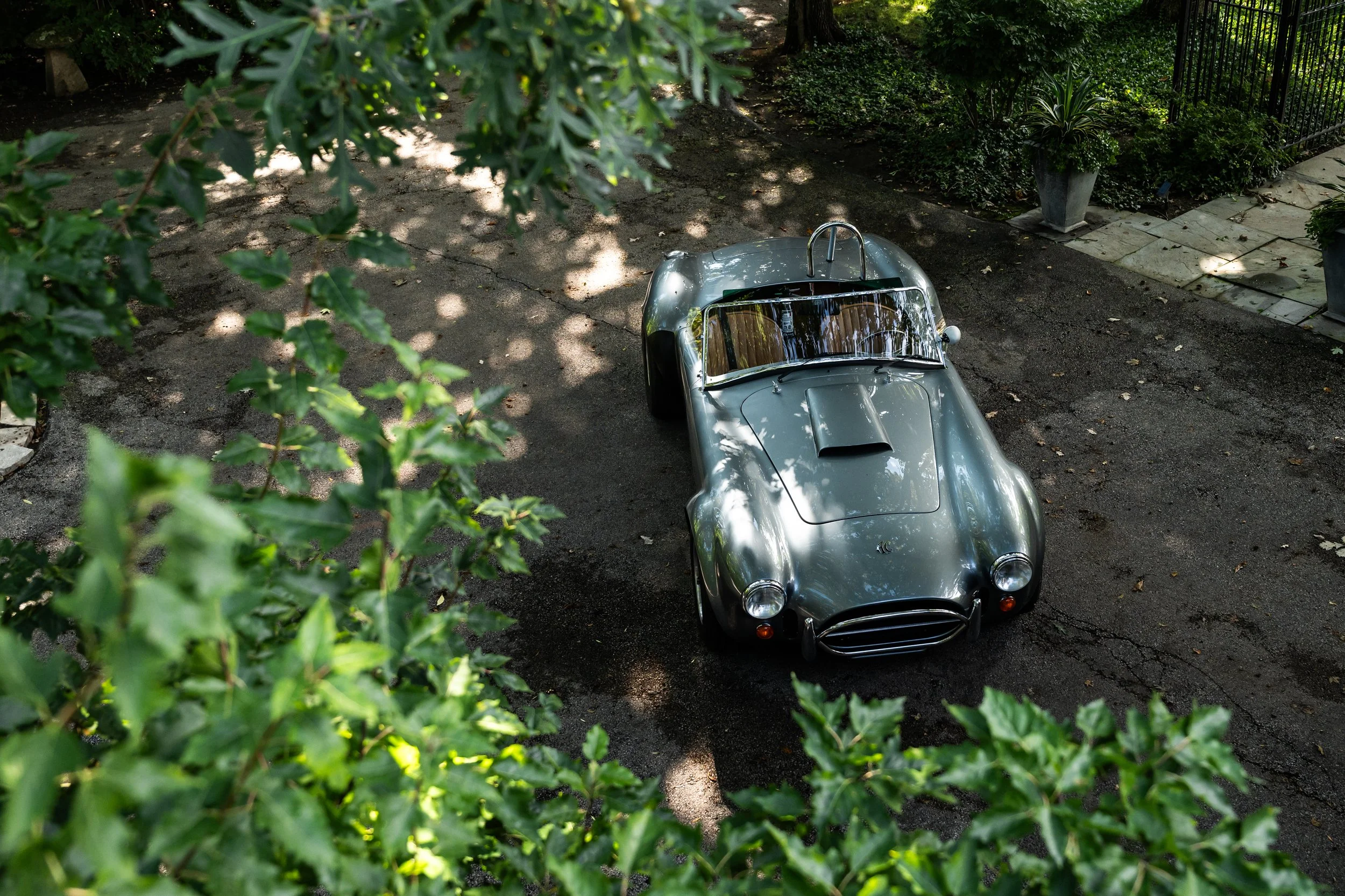
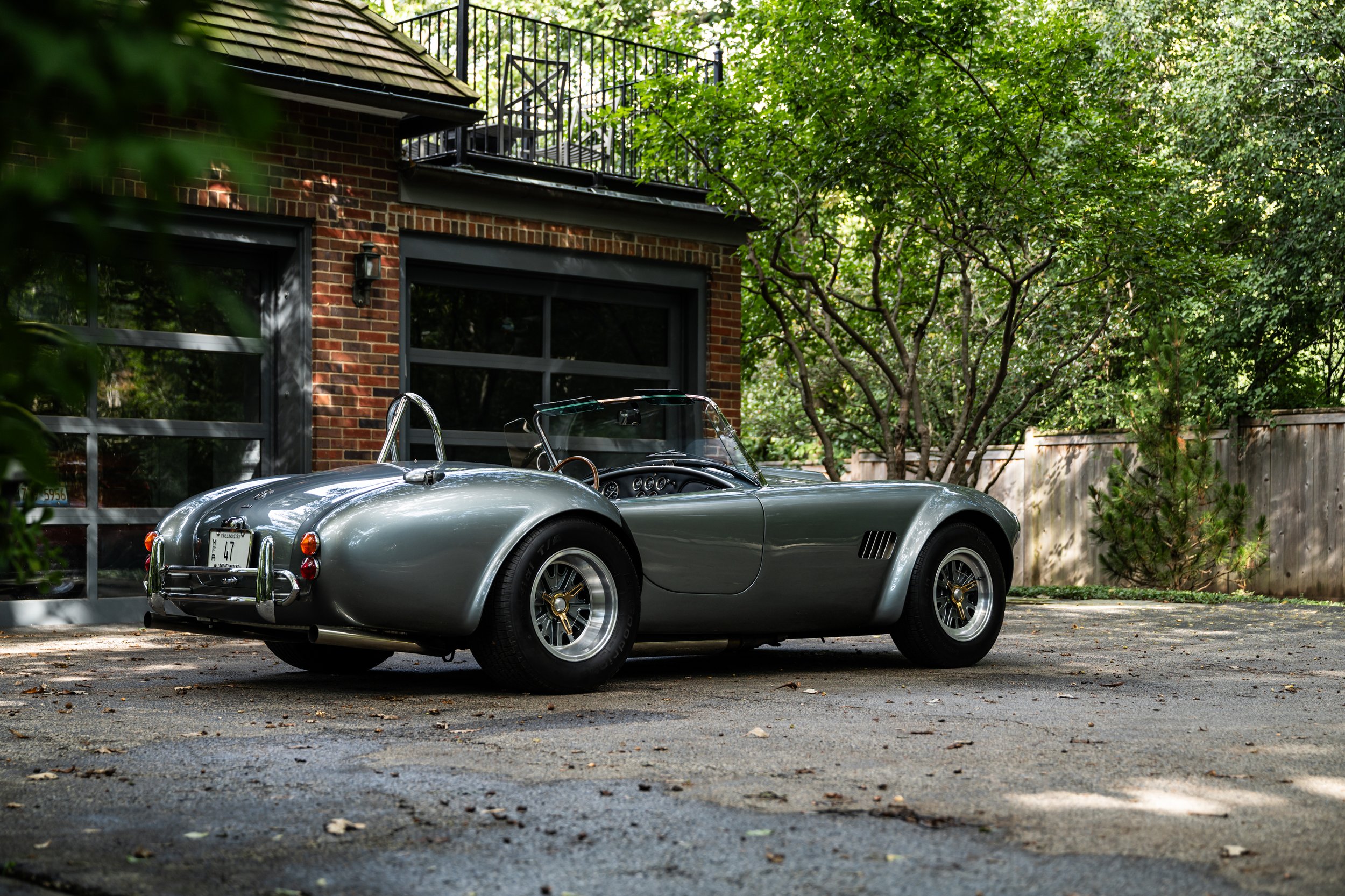
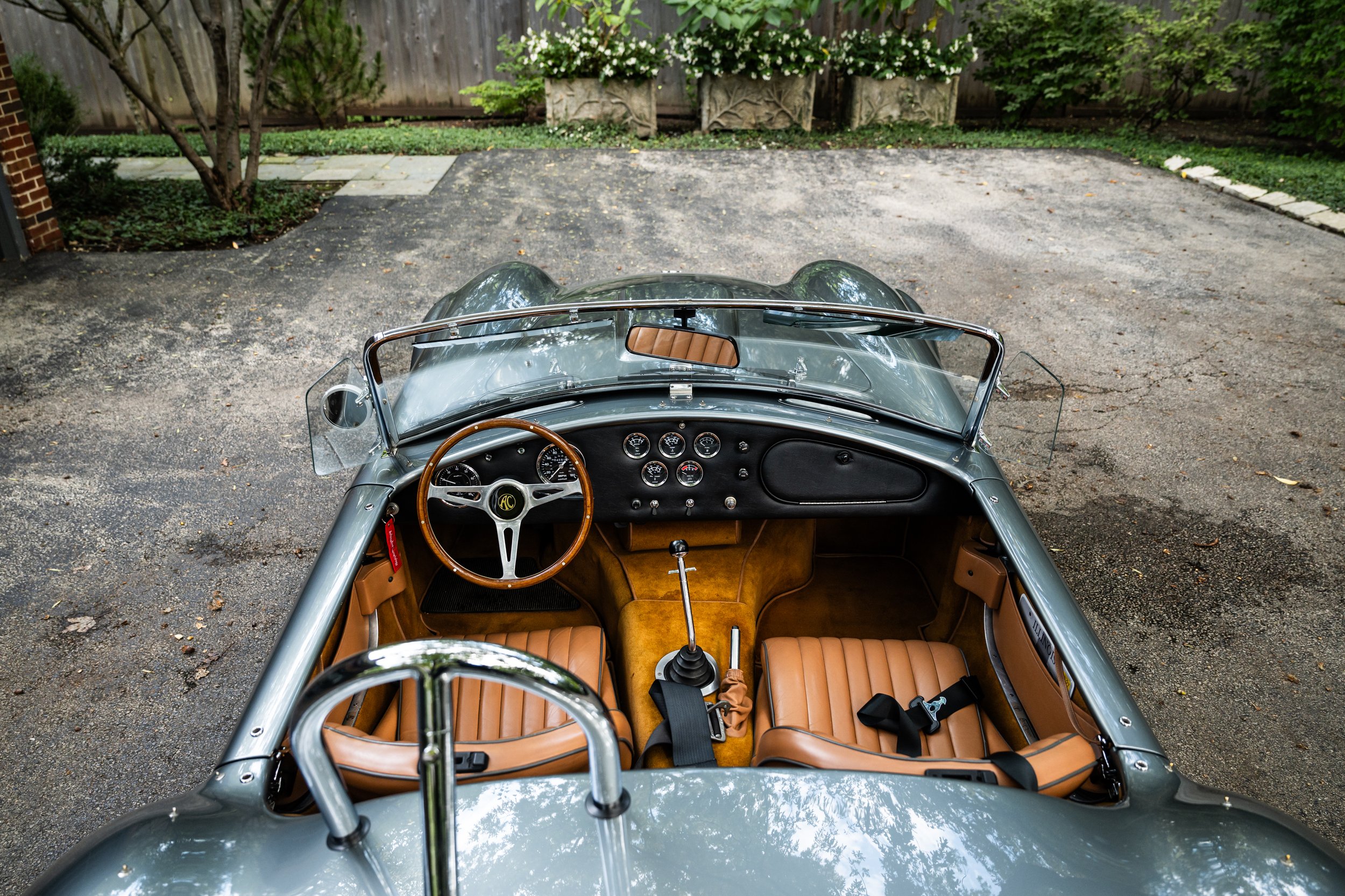
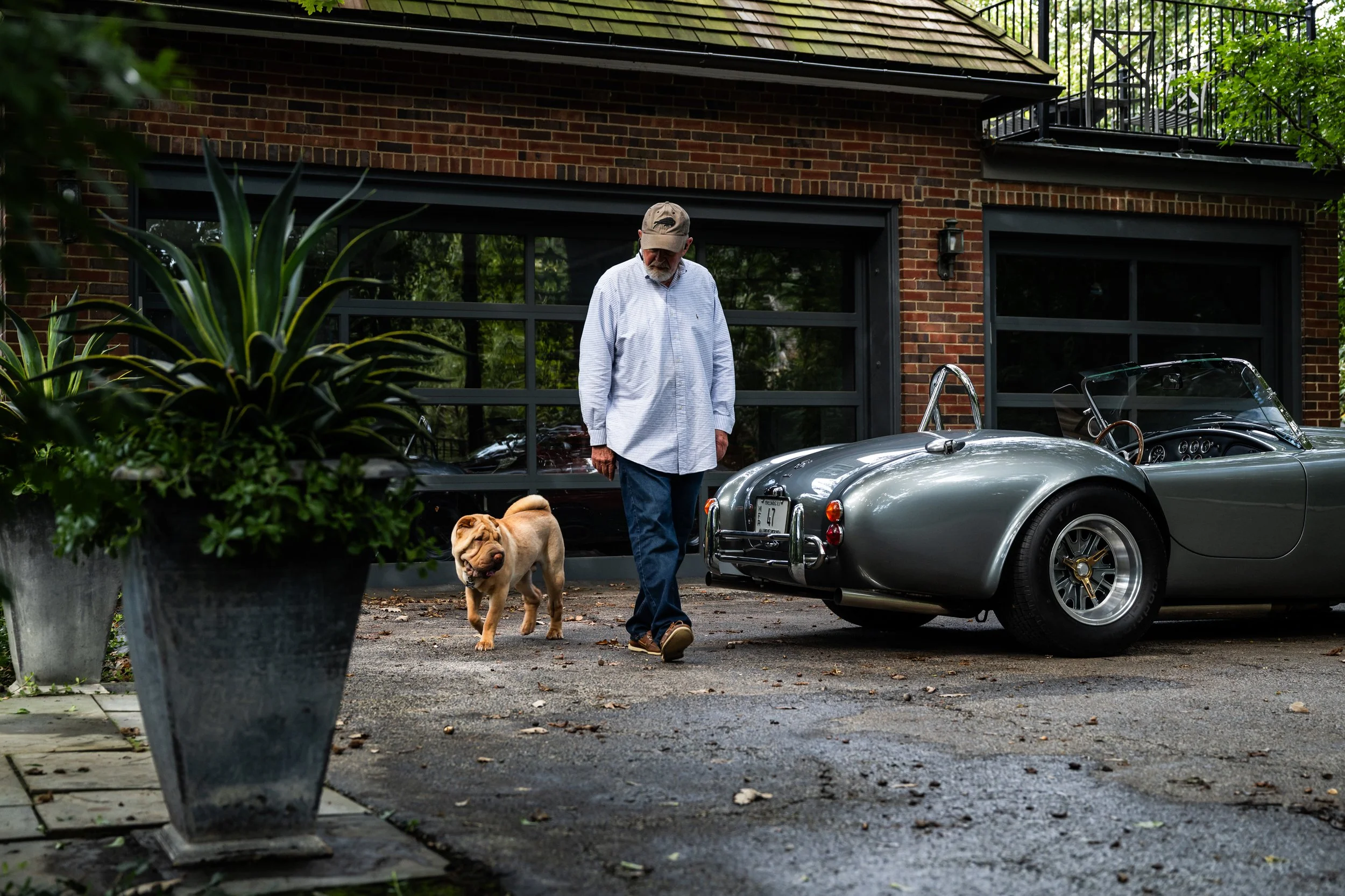
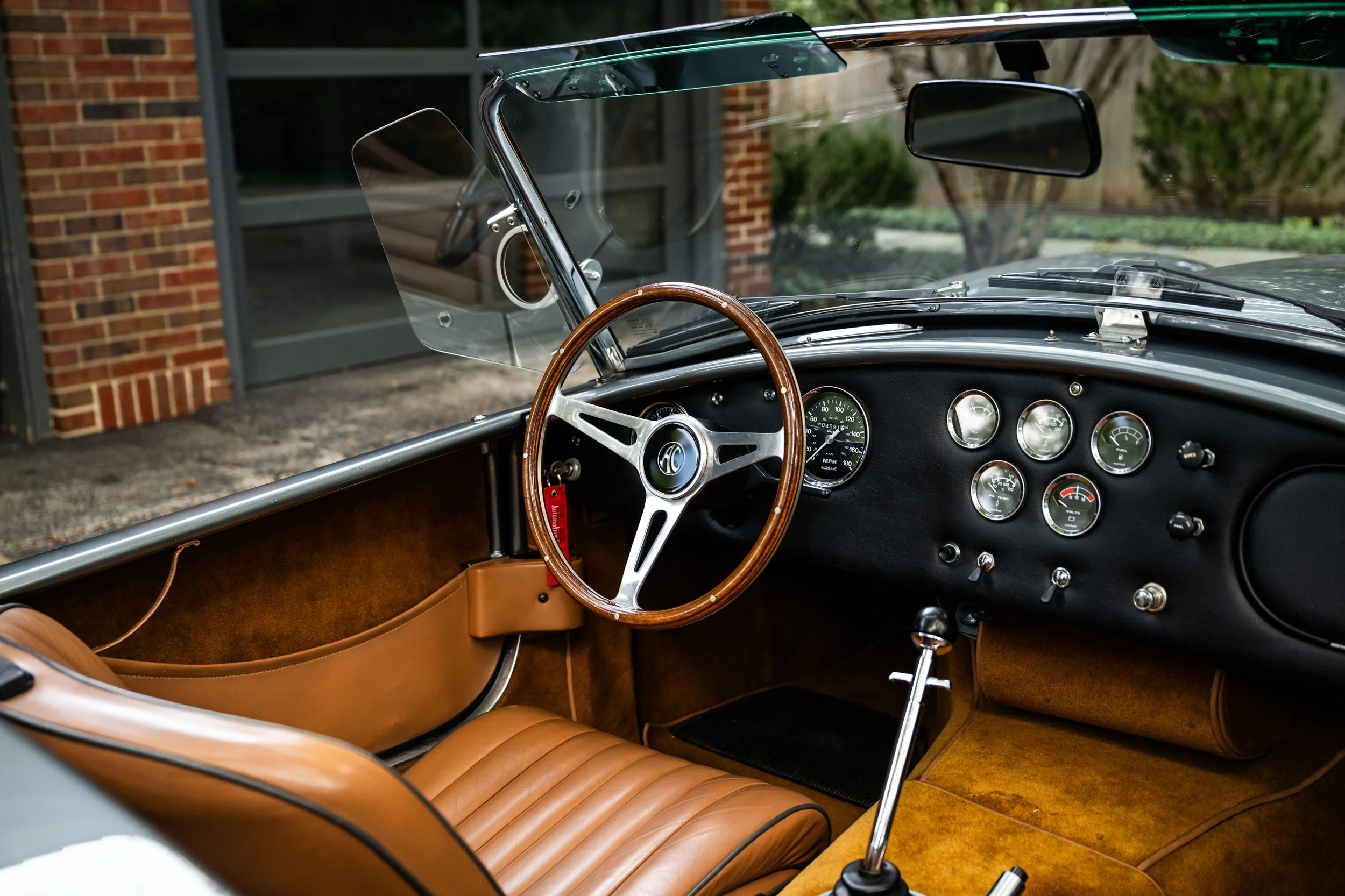
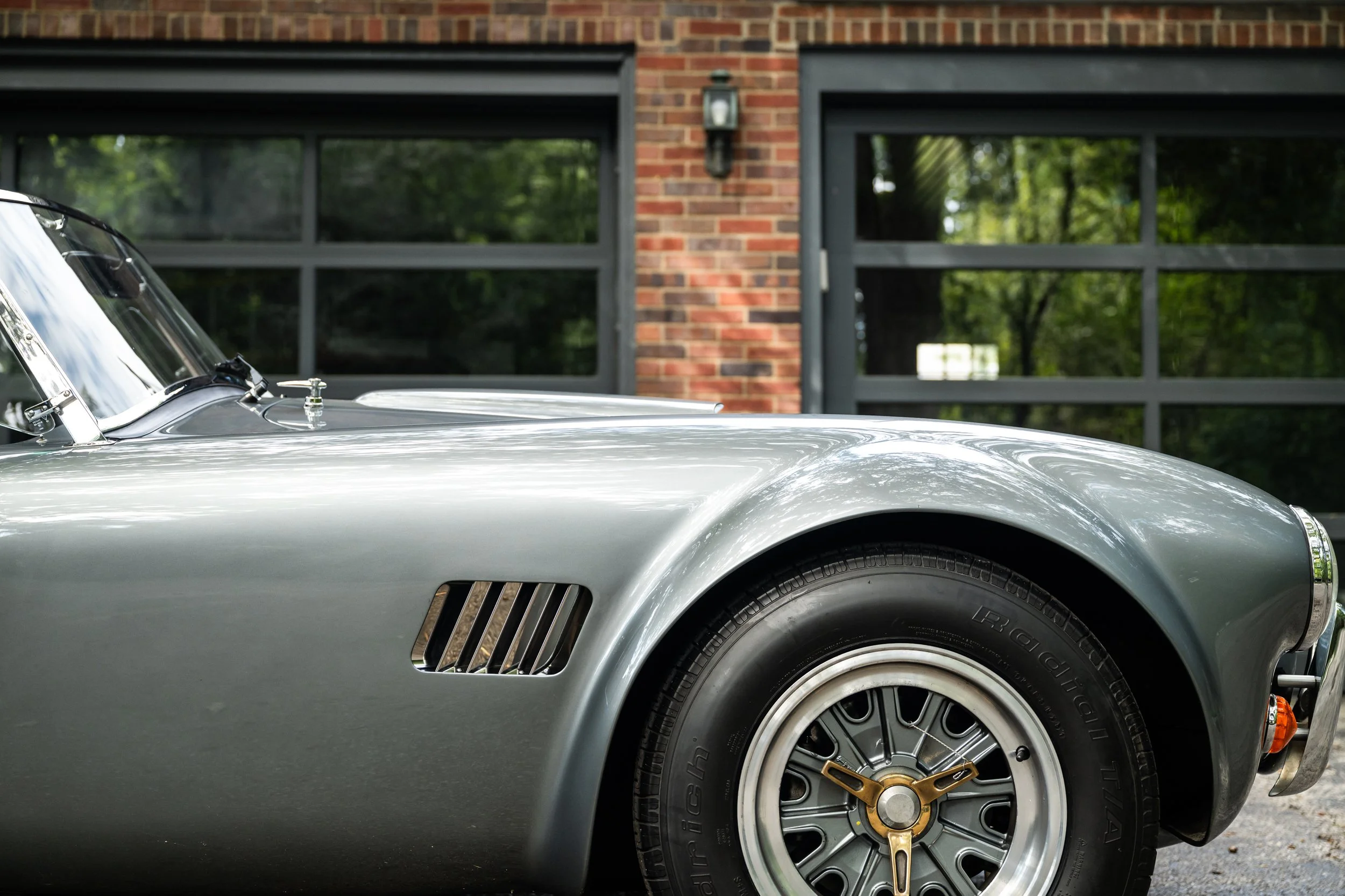
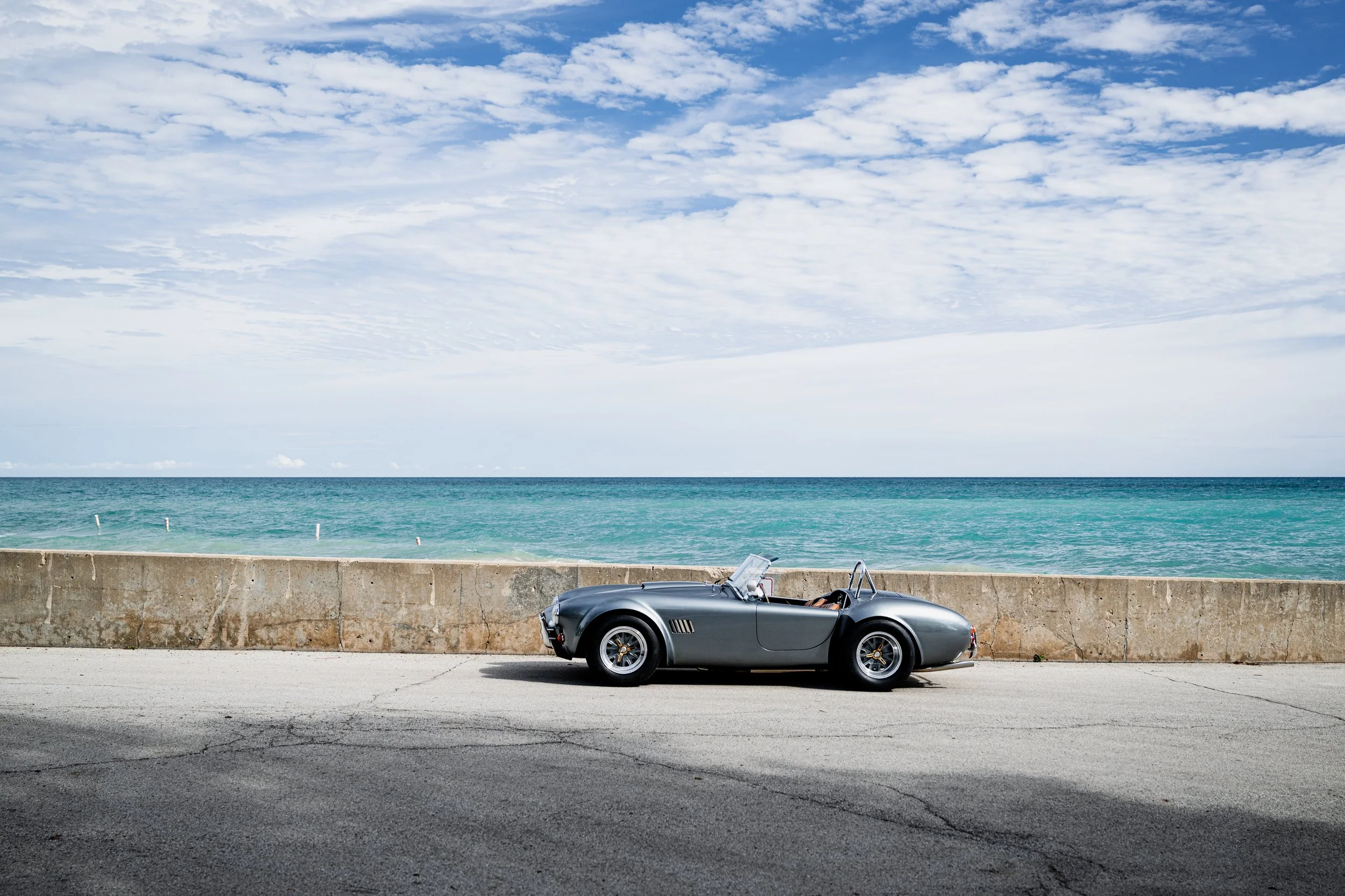
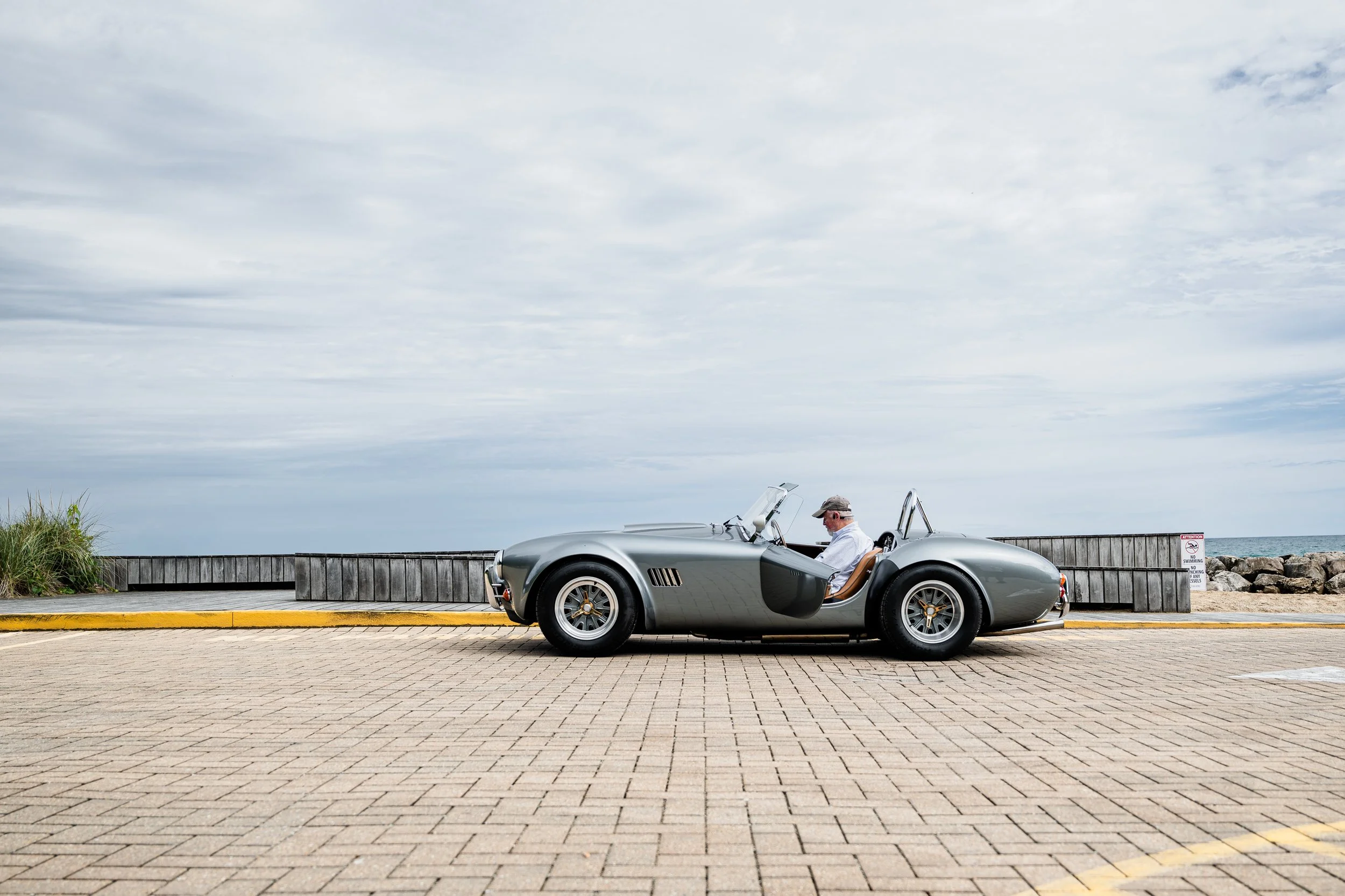
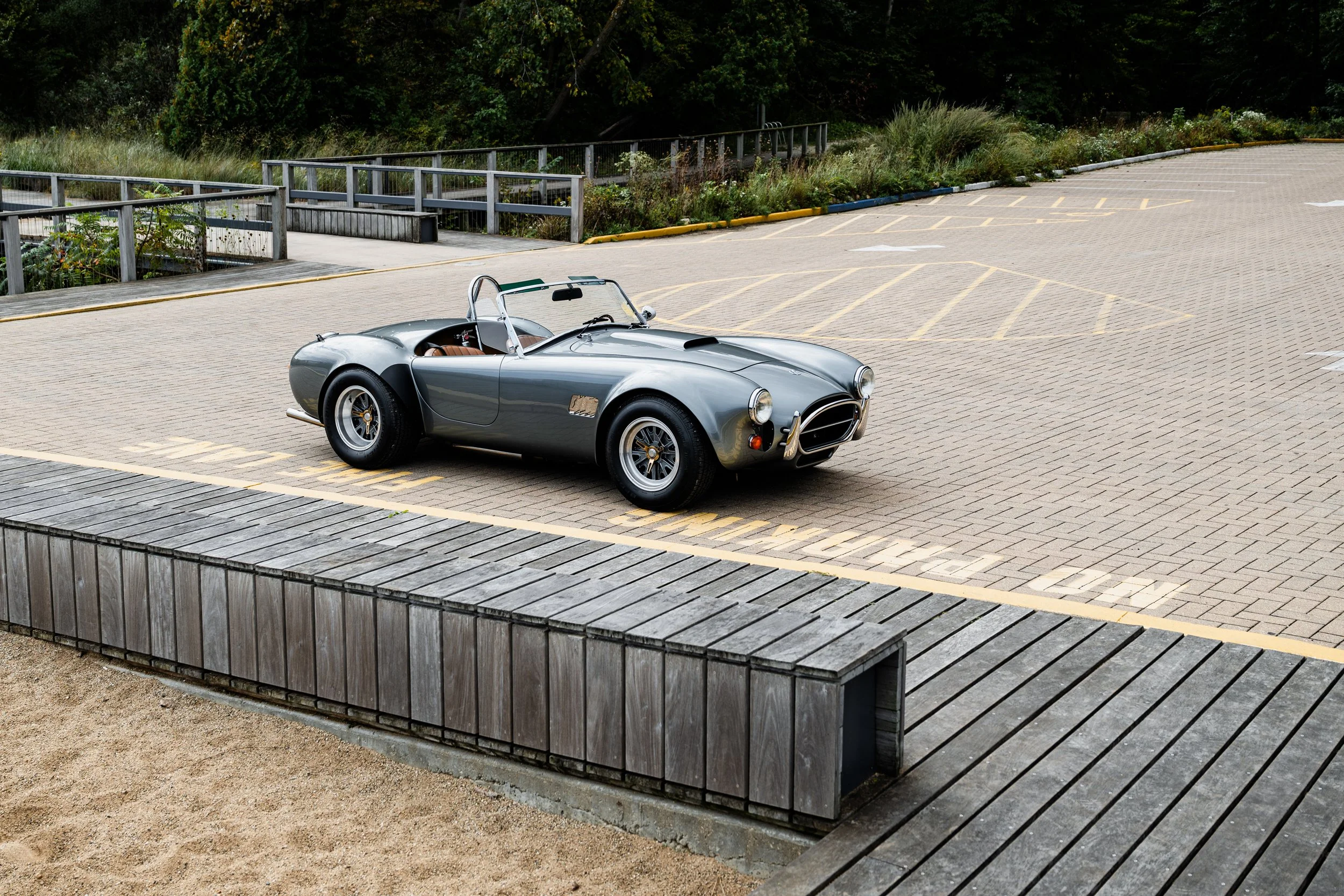
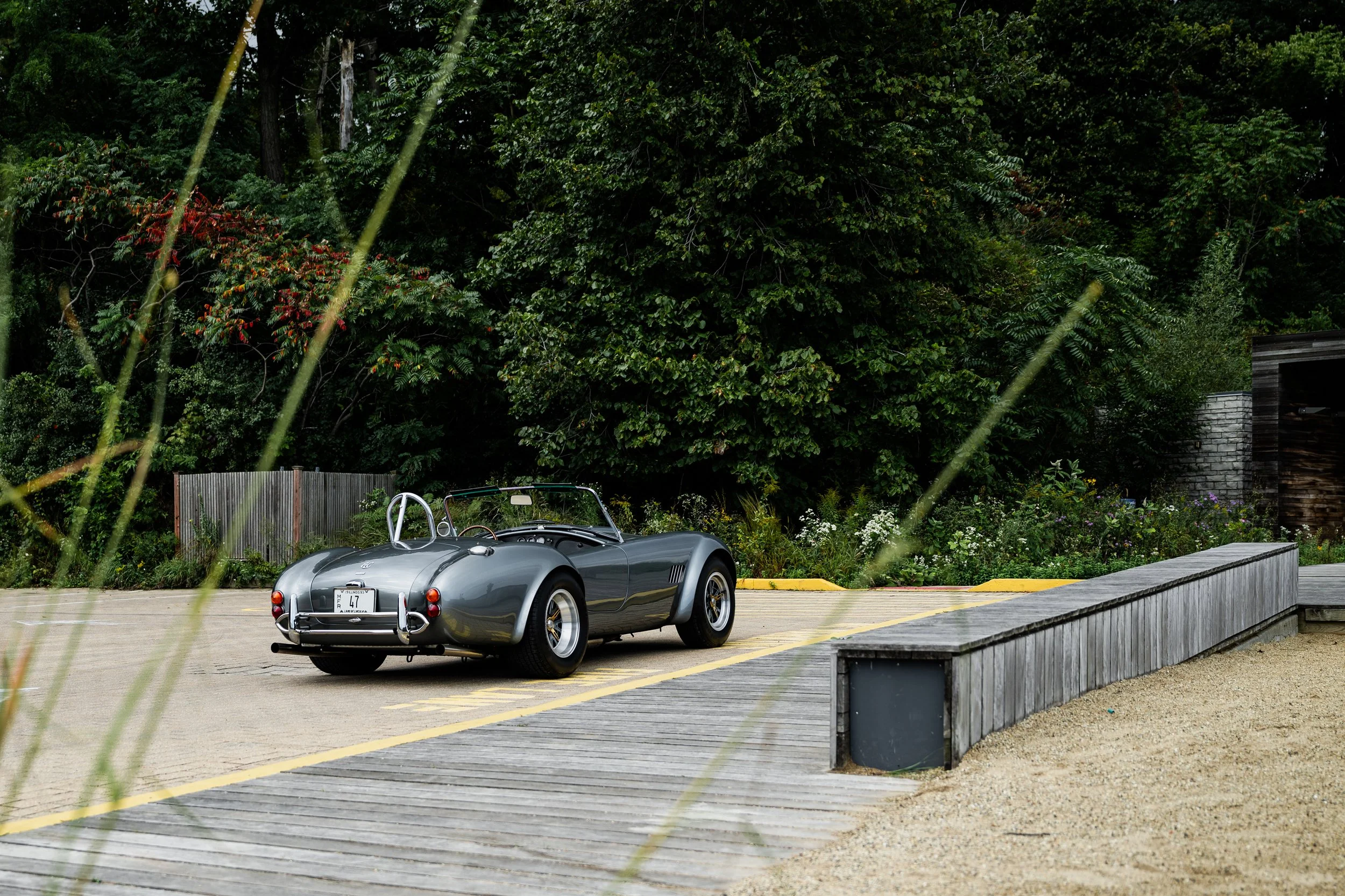
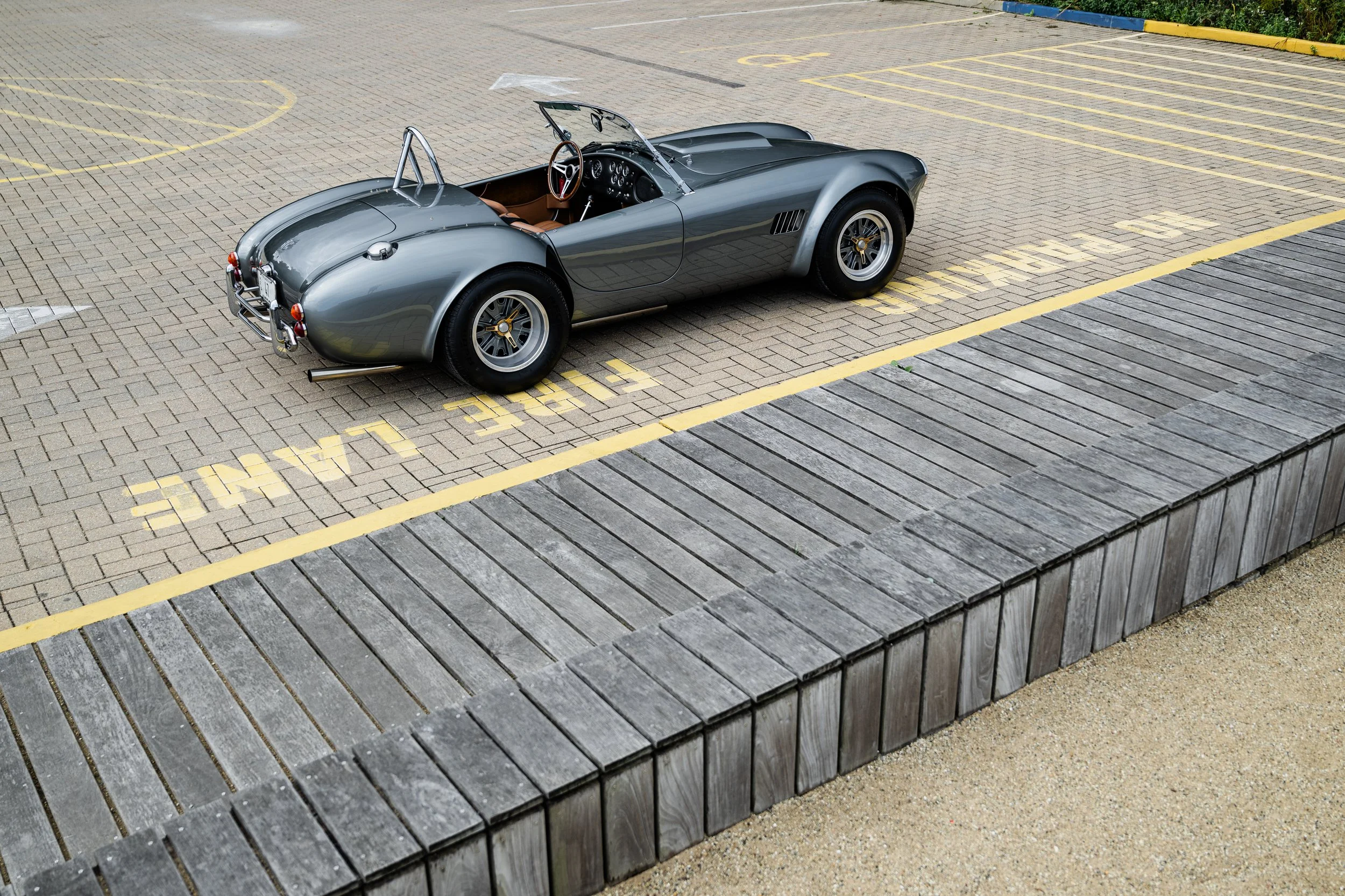
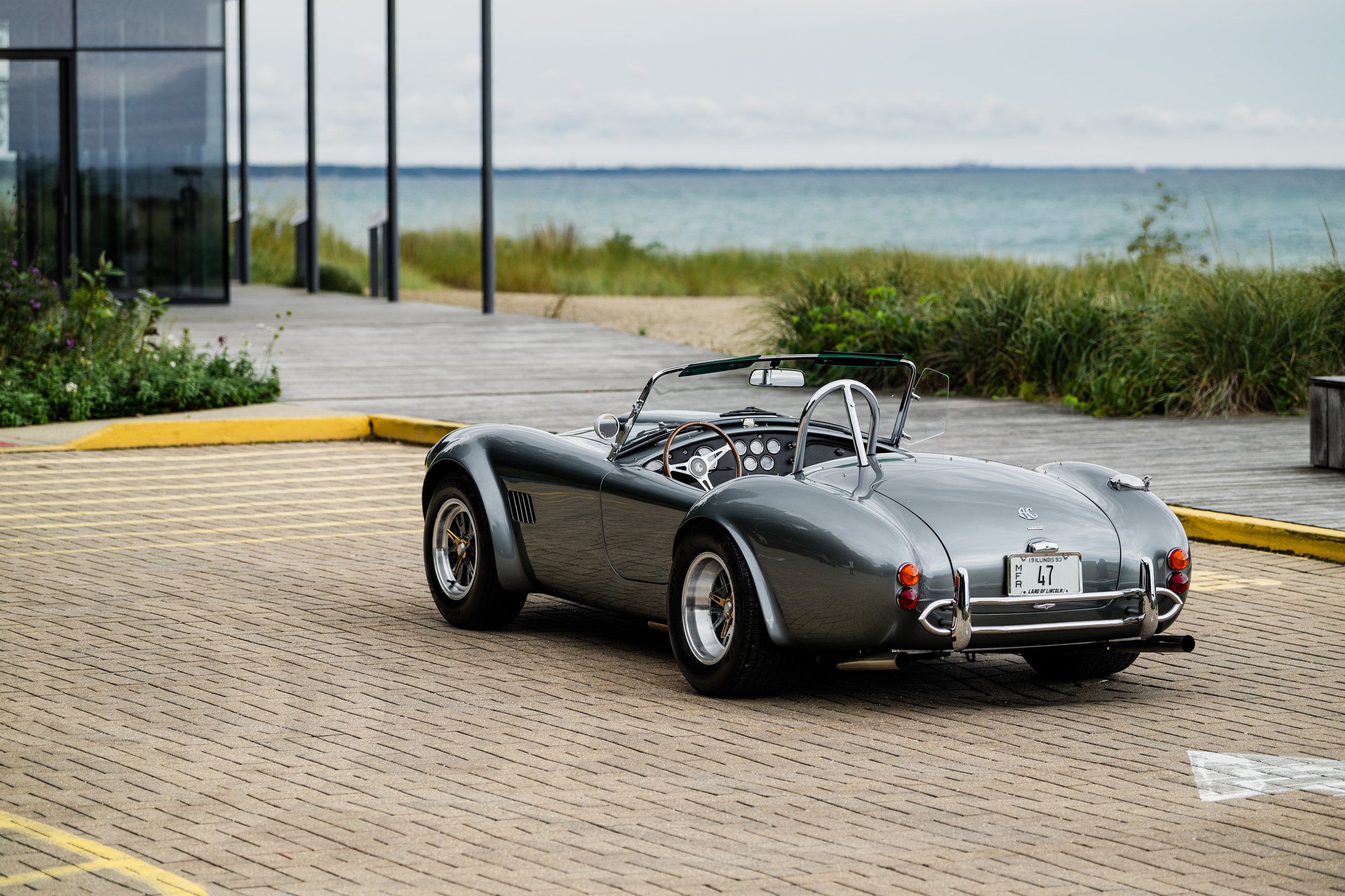
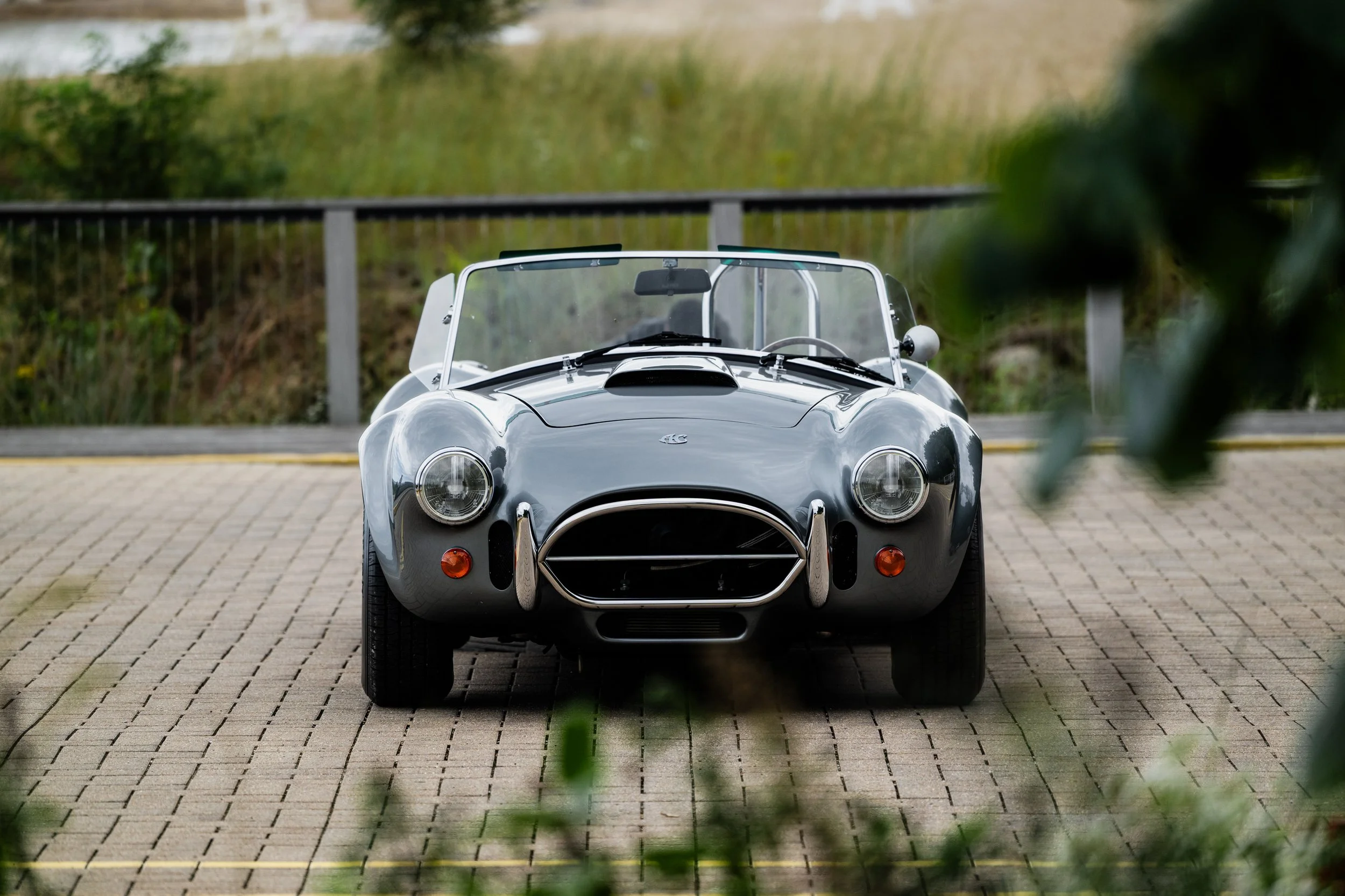
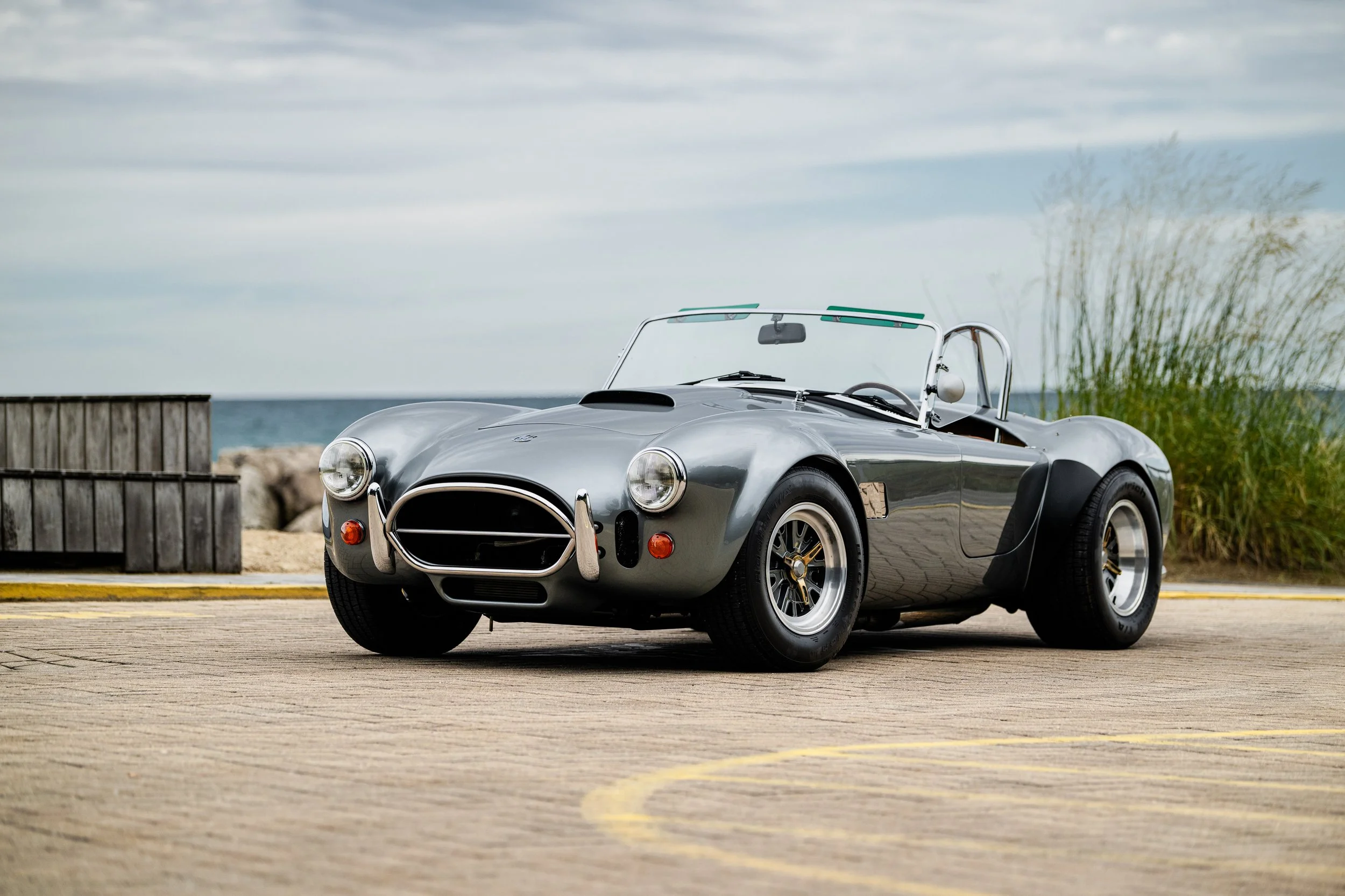
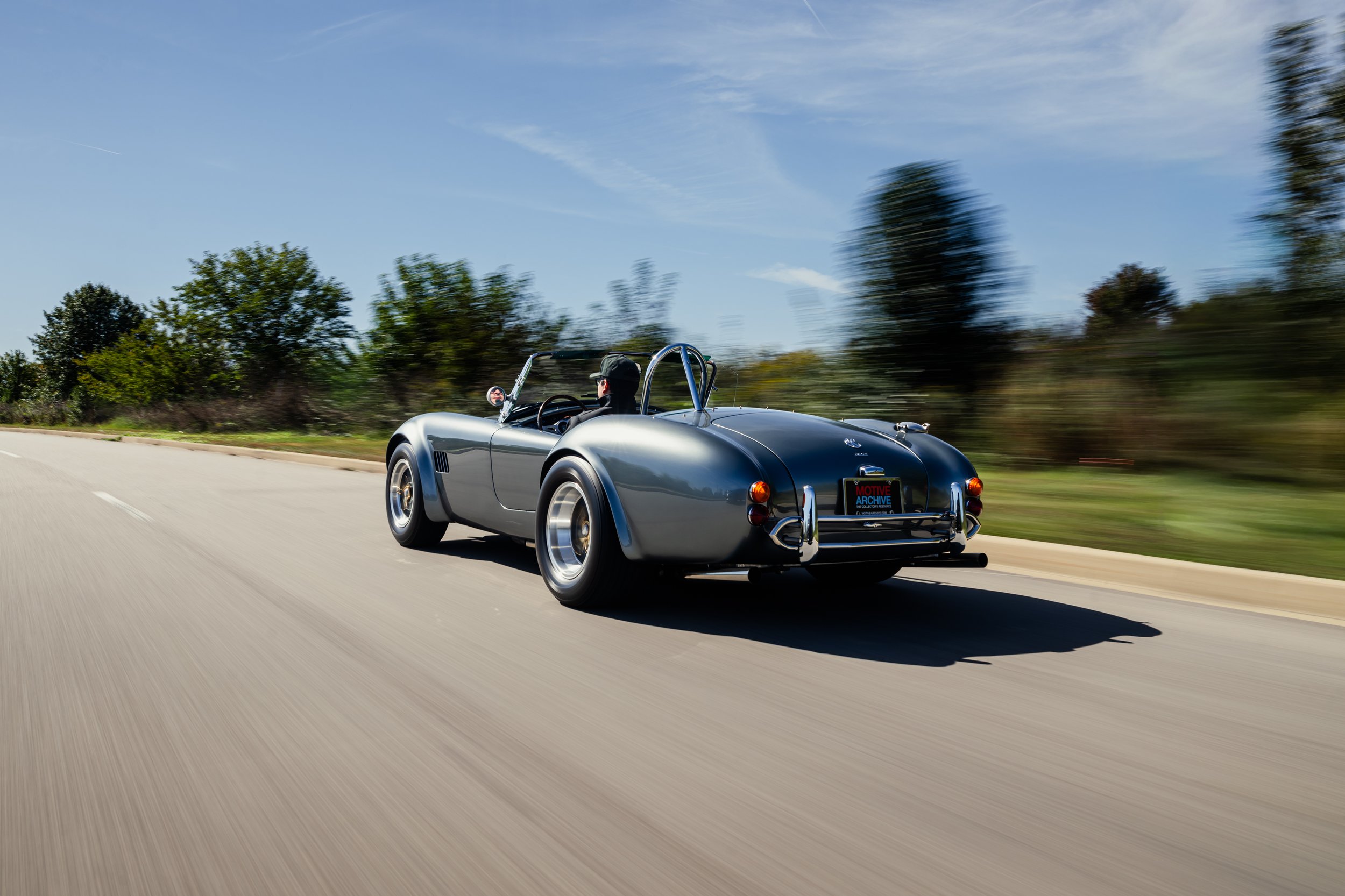
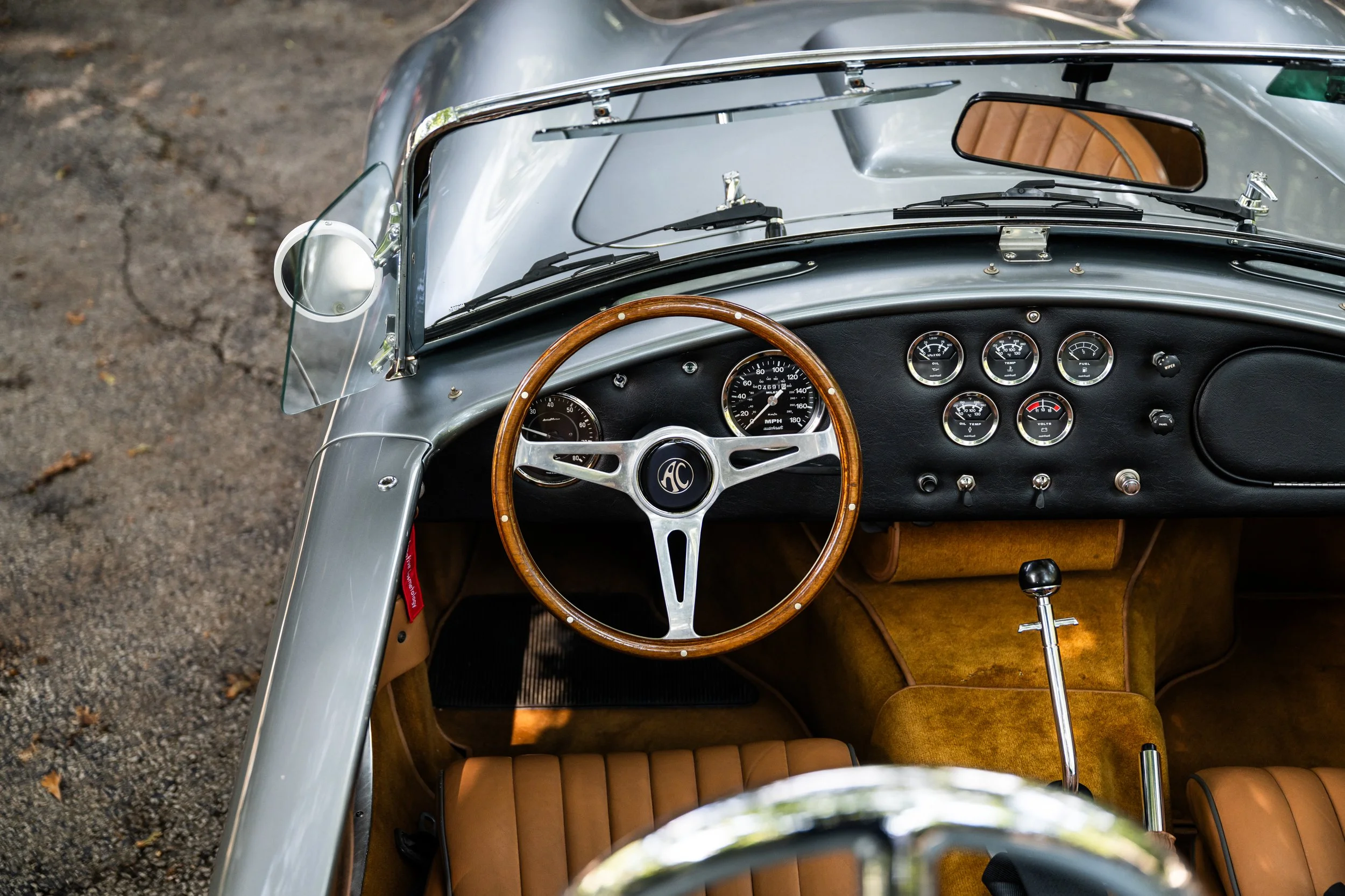
His own car, chassis AKL1406, is a 1993 example finished in Jaguar New Tungsten with aluminum bodywork and a 351ci Ford SVO V8. Richard recounts that the car was originally delivered to a customer in Finland before returning to Autokraft for an engine upgrade.
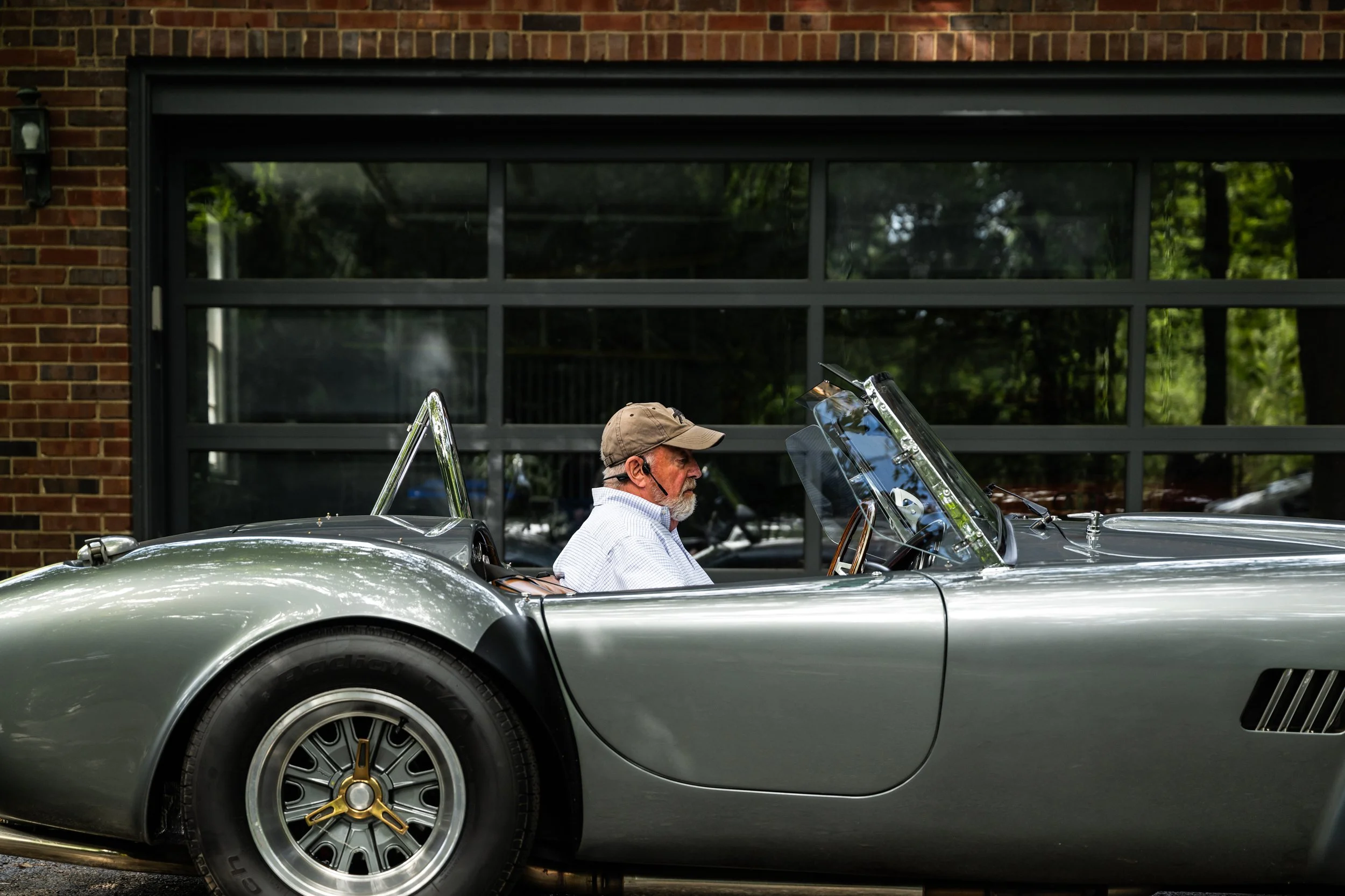
The interview provides a particularly personal perspective on the car's character. Despite its performance capabilities, Richard describes the Lightweight as surprisingly comfortable and approachable, recalling his routine of driving it to the grocery store on Sunday mornings.
He also discusses the car's restoration and mechanical recommissioning, its distinctive finish, and the story behind the Halibrand-style wheels used on Autokraft Cobras.
Preserving the Story
For Richard, the Autokraft Cobra represents more than a continuation of a celebrated sports car. It is the product of relationships, engineering decisions, regulatory challenges, and years of work by individuals committed to keeping the Cobra alive.
Much of this history survives through the recollections of those who participated in it. Richard's interview offers a rare opportunity to hear the story directly from someone involved in the program's formative years.
Motive Archive is pleased to share this conversation as part of our ongoing effort to document the stories behind significant automobiles and the people connected to them.